

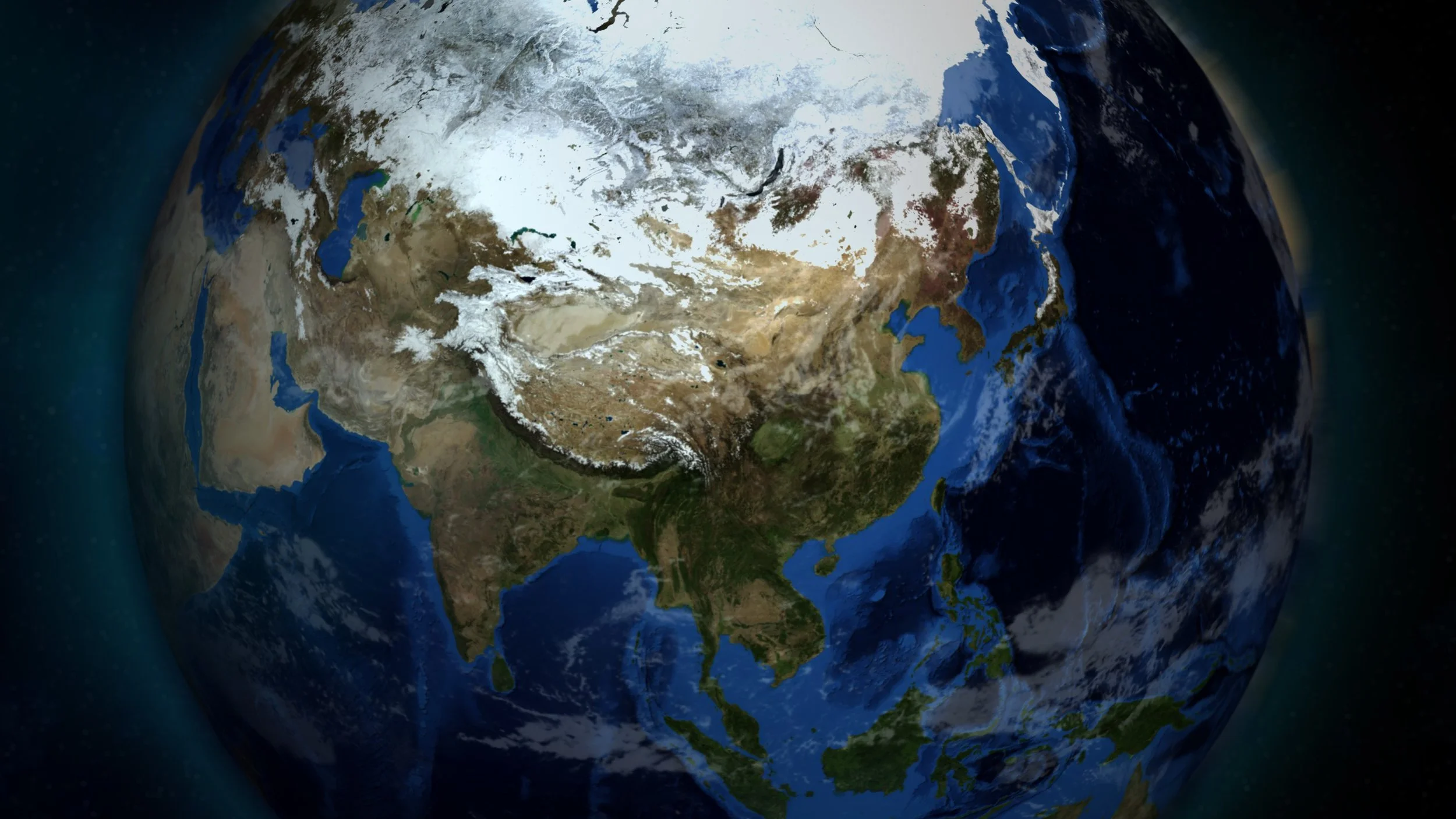
A new governance for science in the 21st century

About the section
The 20th century social contract between science and society is failing to keep pace with the realities of the 21st century. Today, the scientific enterprise operates within an increasingly volatile landscape defined by shifting geopolitical power dynamics, systemic inequalities, the disruptive rise of artificial intelligence, and the growing dominance of private sector science funding. As the parameters of the scientific eco system change, science, if it wants to remain a reliable global public good capable of addressing the many challenges of the 21st century, we must fundamentally rethink how it is conducted, funded, disseminated, structured and integrated into policy.
Hosted in partnership between the International Science Council (ISC) and Frontiers Policy Labs, this special collection serves as a dynamic discussion forum for thought leadership on the future of scientific governance. Moving away from rigid academic studies, this initiative brings together leading global voices to deliver sharp, provocative but evidence based, and forward-looking opinion pieces. In doing so, it wants to contribute to define a resilient, inclusive, and transparent governance model equipped for the challenges of tomorrow.
Key Themes Under Exploration:
Science in the New World Order: Navigating trust in evidence, cognitive biases, and the role of science as a global public good amidst shifting geopolitical blocs.
Structural Asymmetries: Addressing deep-seated inequalities in global talent, national agendas, and scientific infrastructure.
The AI Revolution: Governing the transformative impact of AI on scientific production, data-readiness, and the challenges of computational equity.
Private Funding & Autonomy: Evaluating the systemic risks and cultural impacts of corporate dominance in research and development.
A New Social Contract: Designing innovative funding mechanisms, fostering transdisciplinary knowledge, and building robust science-policy interfaces to shape international agendas.
Curated by
Sir Peter Gluckman
President, International Science Council (ISC);
Director of Koi Tū: The Centre for Informed Futures
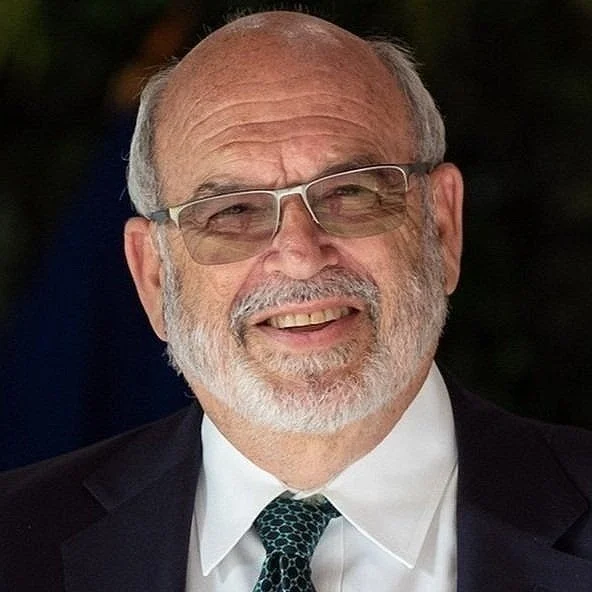
Dr. Salvatore Aricò
CEO, International Science Council (ISC)
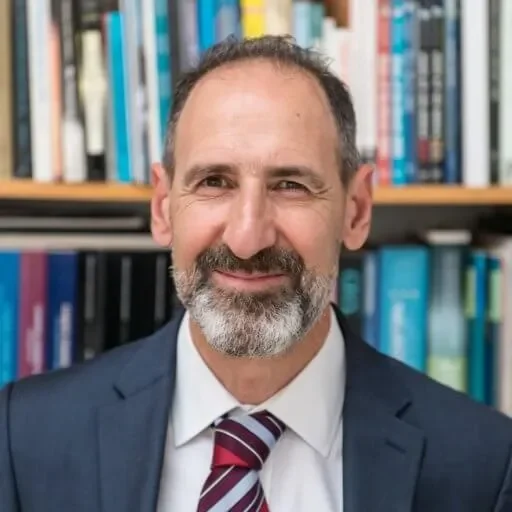
Prof. Naomi Oreskes
Henry Charles Lea Professor of the History of Science, Harvard University
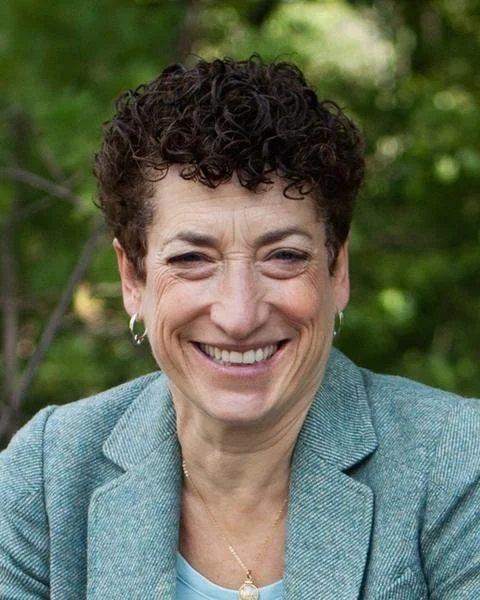
Prof. Jean-Claude Burgelman
Professor Emeritus of Open Science, Vrije Universiteit Brussel (VUB);
Editor-in-Chief, Frontiers Policy Labs;
Director, Frontiers Planet Prize

Browse articles

Never miss an update
Get the latest research, expert commentary, funding opportunities and more, straight to your inbox – sign up to the Frontiers Newsletter.