


Science diplomacy

About the section
Science diplomacy plays an increasingly important role in fostering dialogue, collaboration, and mutual understanding in a rapidly changing global landscape. As scientific advances intersect with geopolitical, technological, environmental, and societal challenges, there is a growing need for spaces that connect researchers, policymakers, diplomats, and practitioners across sectors and regions. Through evidence-informed discussions, diverse perspectives, and the exchange of emerging ideas, science diplomacy helps bridge scientific knowledge and policy action, supporting international cooperation and contributing to more informed responses to complex global issues.
Guided by an internationally diverse Advisory Board representing different regions, disciplines, and institutional perspectives, this section of Frontiers Policy Labs seeks to strengthen global dialogue and promote inclusive approaches to science diplomacy in an increasingly interconnected world.
Section leads
Luk van Langenhove
Professor at the Brussels School of Governance of the Vrije Universiteit Brussel

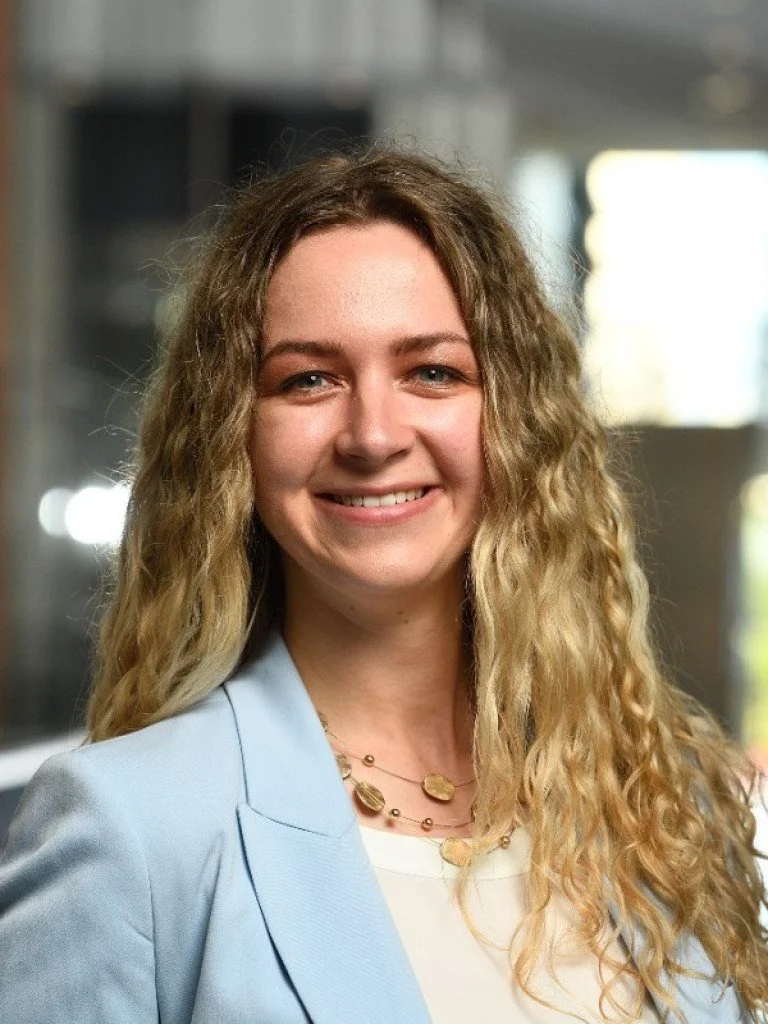
Ona Ambrozaite
Executive Director of the Wisconsin Quantum Institute (WQI) at the University of Winsconsin-Madison.
Curator
Claudia Alarcón López
External affairs specialist at Frontiers. Member of the ISC LAC Regional Roster of Experts.
Science Diplomacy Section Advisory Board


Zakri Abdul Hamid
Founding chair of IPBES. Former member of UNGA's scientific AB.
Rasmus Gjedssø
Professor of Northern Studies at UiT-The Arctic University of Norway.
Yuko Harayama
Board of directors JAAS. Secretary general of GPAI. Trustee of Yamaguchi University.
Ana María Cetto
UNESCO chair on science diplomacy. Full professor at UNAM Mexico.




Seydina M. Ndiaye
Head of ALIVE at Université Numérique Cheikh Hamidou Kane. Member of UN High-Level AI Advisory Body.
Pavlina Ittelson
Executive director of DiploFoundation United States of America.
Browse articles



Never miss an update
Get the latest research, expert commentary, funding opportunities and more, straight to your inbox – sign up to the Frontiers Newsletter.