

From Science to Policy: the need for actionability
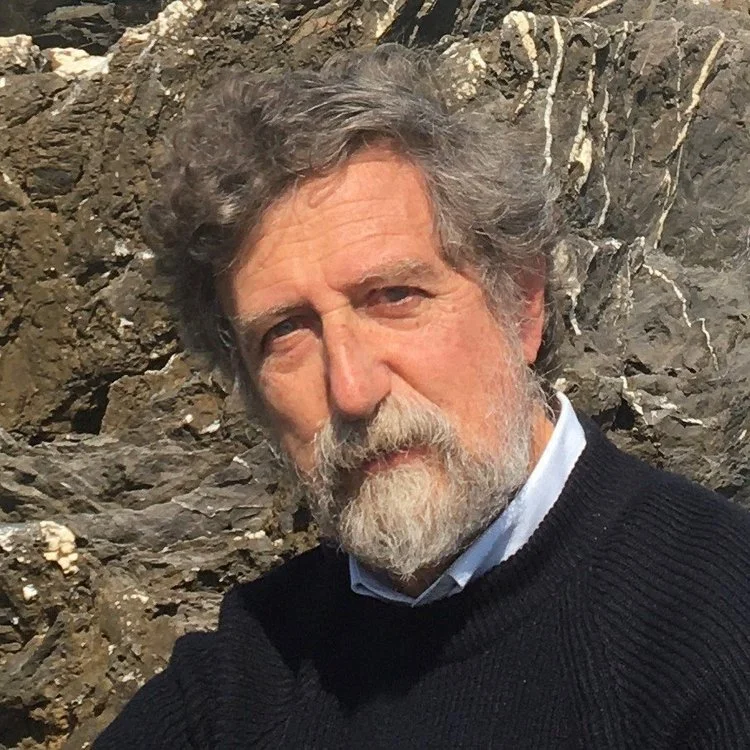
Paolo Vineis
Professor of Environmental Epidemiology, Imperial College London
Scientific Director, Regenerative Society Foundation
Published on December 11th, 2025
Frontiers Policy Labs is a brilliant and original initiative that fills a huge gap, the need for a constant dialogue and reciprocal interrogation between science-making and policy-making. In my perception, however, something is missing. So far, we have been effective in the analytical part, i.e. in identifying the connections between the different sectors of the planet (e.g., planetary health and human health), in discussing the opportunities created by AI but also its limitations and dangers, etc. A non-ethnocentric and even non-anthropocentric view of the current planet’s situation has characterized the enterprise. Now I suggest that a new modality could be introduced, a proactive effort to facilitate the identification of actionable solutions to the environmental crisis. A key actor in responding to the crisis is the world of private enterprises (two thirds of the income daily produced), that are a heterogeneous body: on one side, regressive companies with vested interests and that damage the planet (the oil corporations, able to influence the COPs), on the other side, a myriad of enterprises that work for the common good by searching for solutions, e.g., nature-based. Examples of the latter are the Circular Bioeconomy Alliance in the United Kingdom and the Regenerative Society Foundation in Italy. The Science-Policy dialogue should also include the business world and promote a debate on solutions to the crisis. Solutions are not only technological, but first of all social and structural. In fact, the dialogue I have in mind is exactly on the limits of a technocratic approach to the environmental crisis (an example is geoengineering) that does not incorporate social sciences and humanities and therefore is doomed to fail (1). The attention has been focused mainly on climate change, as far as the environmental crisis is concerned. However, this is part of a greater problem, which is the erosion of natural capital and biodiversity. One way to funnel the debate towards concrete goals in the Science-Policy dialogue is to focus on the search for solutions, with the contribution of the entrepreneurial world, in the realm of natural capital and loss of biodiversity. This would incorporate also a debate with economists, if we consider the limitations of the carbon credits system and the need to move towards a more general “natural credits” system.
Copyright: © 2025 [author(s)]. This is an open-access article distributed under the terms of the Creative Commons Attribution License (CC BY). The use, distribution or reproduction in other forums is permitted, provided the original author(s) or licensor are credited and that the original publication in Frontiers Policy Labs is cited, in accordance with accepted academic practice. No use, distribution or reproduction is permitted which does not comply with these terms.
References
1. Vineis, P., (2025) “The ‘Flattening of the World’: Why the Anthropocene Science Needs Humanities”, Anthropocenes – Human, Inhuman, Posthuman 6(1). doi: https://doi.org/10.16997/ahip.1890

Five Years of the Frontiers Policy Labs: Still a Long Way to Go
Prof. Jean-Claude Burgelman
Editor-in-Chief of the Frontiers Policy Labs
